By Amayah Schoener
LAS CRUCES, N.M. — What happens to the stuff we throw in the big blue bins?
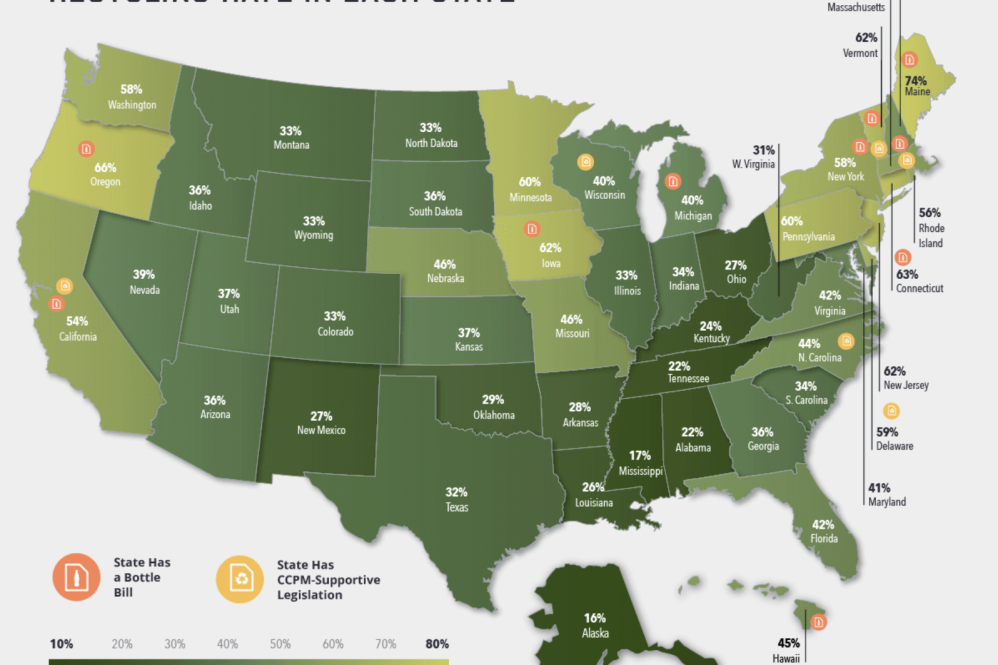
The U.S. does not have any national laws about recycling; it’s up to each state.
Twenty-seven states have mandatory recycling requirements; New Mexico does not. The Environmental Improvement Act, established in 1971, is responsible for environmental management and consumer
protection in New Mexico but does not include any statewide recycling mandates for material other than tires. This leaves recycling up to local governments.
Here is a recycling map detailing what, how, and where to recycle across New Mexico.
https://recyclenewmexico.com/know-what-to-throw/
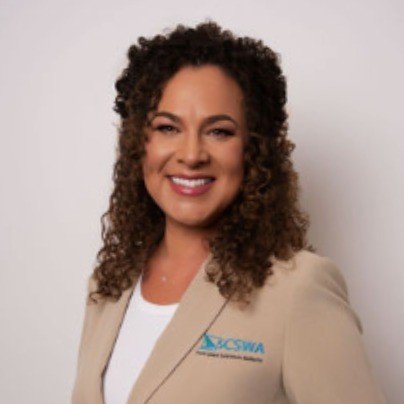
In Las Cruces, recycling is handled by the South Central Solid Waste Authority (SCSWA), established by the joint powers agreement between Las Cruces and Doña Ana County in 1994.
Head of the Education and Outreach Department at the SCSWA, Brandi Arguello, explained that to understand recycling in New Mexico you have to tap into your own municipality because each one is different.
The city of Las Cruces mandates that every resident should receive a 96-gallon blue bin for curbside recycling services. Regarding businesses, there are no commercial recycling requirements in Las Cruces, but the SCSWA provides recycling to all 40 Las Cruces Public Schools, Memorial Medical Center and other organizations upon request, with fees.
All recycling bins are emptied every other week by side loaders which take the recycling to the Amador Avenue transfer station in Las Cruces. Then, 18-wheeler trucks take the recycling to a material recovery center called BARCO in El Paso, Texas. There, the materials are sorted and compacted into bales which are sold to individual mills to complete the recycling process.
Recycling at New Mexico State University is done a little bit differently. Southwest Disposal provides large dumpsters outside of the residential areas. The blue ones are for recycling, and the brown ones are for other trash. The recycling is taken through a similar process as with the SCSWA.
“Currently 21.6% of the material that’s collected in Las Cruces is actually contamination and it’s kicked out as waste,” Arguello said.
So, what materials can we recycle?
“If it’s a blue bin, the rule of four applies – paper, plastic, aluminum, cardboard,” Arguello said.
More specifically, this includes: cardboard boxes, toilet paper rolls, milk and juice cartons, plastics with the numbers one and two on the bottom (plastics numbered three through seven are also accepted, but often not actually recycled), printer paper, newspaper, magazines, and aluminum, steel and tin cans. Items not accepted include: anything in a non-clear trash bag, Styrofoam, take-out food boxes, and any item that has had food in it unless it has been rinsed out.
NMSU recycling is more limited and only accepts plastic with the number one on the bottom, paper, newspaper, magazines and cardboard.
Glass, scrap metal, electronics and household hazardous waste can be dropped off at the Recycling Center at 2865 W Amador Ave.
A lot of the recycling separation process is done by hand, so it’s important to be careful to throw the right materials into the recycling bin to avoid hazards for workers, and to keep the system efficient.
Keeping people informed about recycling “is a non-stop battle,” Arguello said. “We have the education and outreach department, which currently is just me.”
The hardest part of Arguello’s job is fighting misinformation.
“Unfortunately, there’s no clear-cut guidelines across the state or across the U.S.,” Arguello said, “so the education is never-ending.”
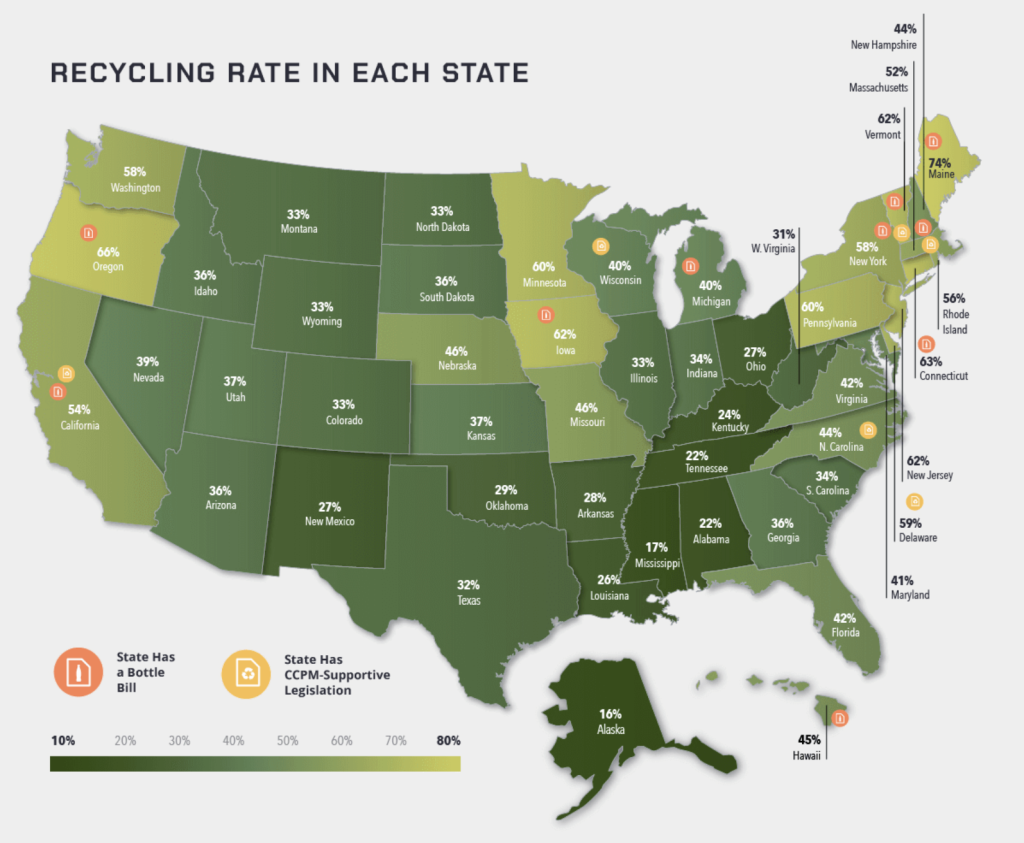
Although understanding all of the different rules can be hard, having nationwide policies may also not be realistic. Some states and cities have the infrastructure, participation, and organization to move the recycling industry forward, while others don’t.
“There’s a whole lot of folks here in the state of New Mexico that have burn pits in their backyards,” Arguello said. “So why are they going to bother pulling out the recycled material and setting that aside, paying someone to recycle it for them.”
Arguello was born in Portland, Oregon, but raised in Las Cruces.
“I’m invested in the community,” Arguello said.
Aug. 1 will mark her third year being part of the recycling industry. She has realized pollution is often done out of convenience or habit, and we have the power to stop.
“I think it’s just one of those things that as soon as you realize you can make a difference, there’s no way to turn it off,” Arguello said.



 -
- -
- -
- -
- -
-