LAS CRUCES N.M. — 14 years on the court and another 16 in the classroom.
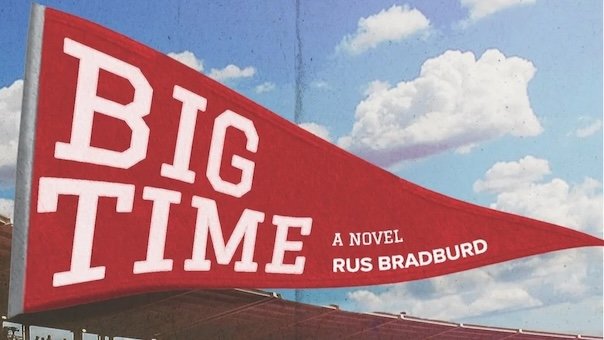
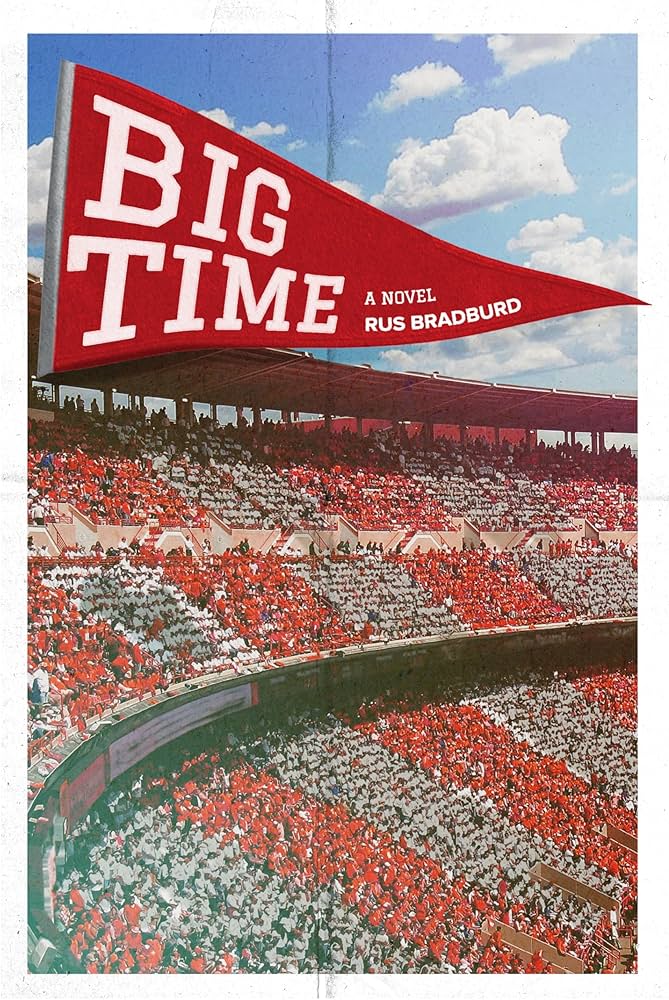
Rus Bradburd, New Mexico State University’s former assistant basketball coach turned creative writing professor, released a novel arguing college sports mania is eclipsing the purpose of universities and education.
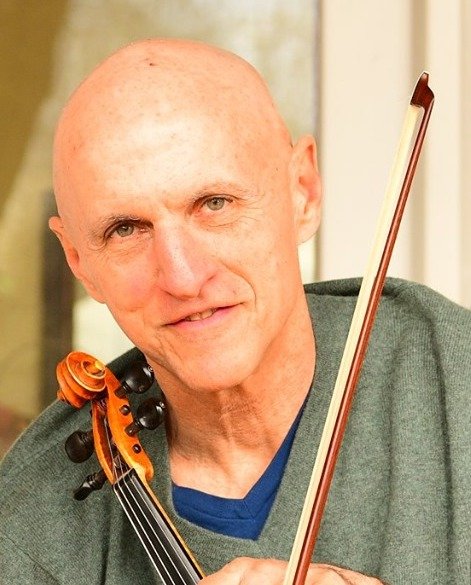
Bradburd has coached men’s college basketball for 14 years with eight of them at the University of Texas El Paso alongside Don Haskins and six at NMSU with Lou Henson. He also taught creative writing at NMSU for 16 years and has published five books which explore themes of sports, race and social progress.
His latest novel, “Big Time,” follows a struggling university which sells out to Coors beer and rebrands as “Coors State University.” The president cuts academic funding and redirects it to sports, resulting in faculty members having to either work for football and basketball or quit. The criminal justice department become campus police, and family and consumer science faculty do the players’ chores. Fed up, two professors decide to take their school back.
While exaggerated, “Big Time” highlights the undeniable grip sports has on American culture.
“By making fun of it, you’re able to get at the heart of something,” Bradburd said.
According to a 2023 Gallup poll, football is the most-watched sport in America, followed by basketball and baseball. This craze has permeated campuses across the nation and, although college sports certainly creates revenue, Bradburd is concerned the funds are being redistributed to the wrong places.
“Just because [sports] makes money doesn’t mean it’s the right thing for a university to do,” Bradburd said.
Forbes published an article which revealed the imbalance in average spending on student-athletes versus full-time, non-athletic students at universities in the Power Five conferences.
During the 2021-22 school year, Louisiana State University (LSU) spent an average of around $381,000 per student-athlete which was more than 10 times the $37,000 spent on a full-time student.
In addition, students are often taught by underpaid, uninsured adjunct professors, while the school’s coaches make millions in salary, Bradburd pointed out.
“I don’t think it’ll ever change,” Bradburd said. “I actually don’t hold any hope. Our universities have been corrupted. Again, NMSU is not the worst one.”
NMSU is not on the same scale as LSU and, in fact, funding for education far out-weighs the funding for sports. NMSU aims to receive more money in the future to put toward women’s sports programs (read more).
In Bradburd’s view, coaches should earn salaries similar to professors and athletic profits should be reinvested into academics and the athletes themselves. There are settlements underway to address some of these issues (read more).
Although critical of financial disparities at certain schools, Bradburd acknowledges sports as historically being the “leader in social change in America.” He listed the following examples:
- 1947: Jackie Robinson becomes first African American to play Major League Baseball. The next year, the U.S. military desegregates.
- 1966: Haskins starts five Black players from Texas Western College (now UTEP) and beats top-ranked University of Kentucky in the NCAA championship. Shortly after, Texas Western hires its first Black professor.
- 1967: Muhammad Ali refuses the military draft, igniting global anti-war sentiment.
- 1968: Tommie Smith and John Carlos raise the Black Power fist at the Olympics, sparking conversations about race.
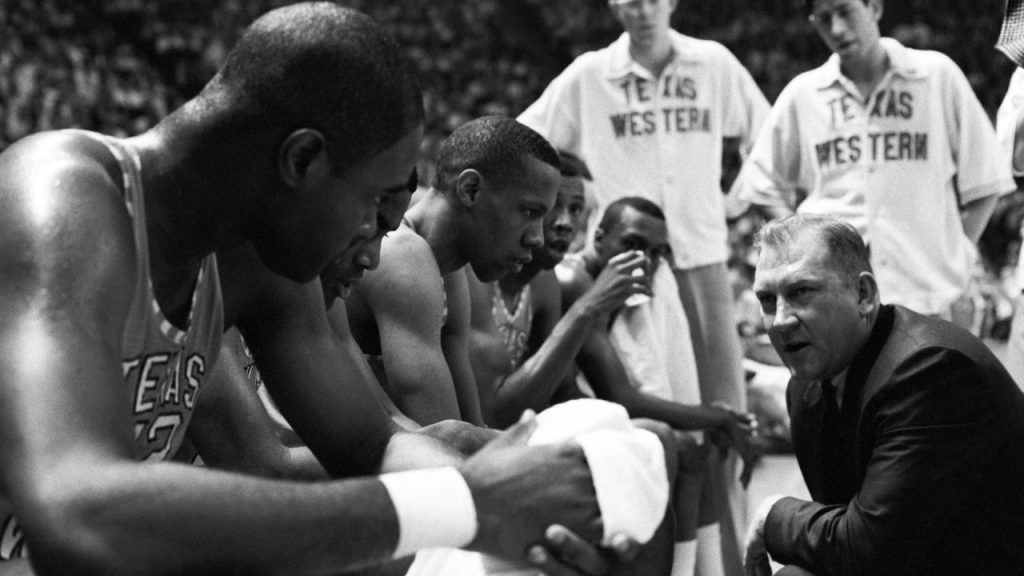
With millions watching, athletes of color were able to fight for the right to be seen not just as vessels for entertainment but as human beings.
“You start treating people as a commodity when you’re coaching college sports,” Bradburd said. “This person is worthwhile, and this person is not — based on whether they can help you win games.”
The realization of this quality developing in himself during his coaching years unsettled him.
The support of Henson as well as creative writing professors like Robert Boswell and Antonya Nelson led to Bradburd leaving coaching in 2000 to become a writer. He is now retired.
Today, he keeps busy by running his nonprofit in El Paso (Basketball in the Barrio), playing the fiddle, commentating for AggieVision basketball and working on his next novel.
“We’re wired for story. We’re not wired for statistics,” Bradburd said. “The lawyer who tells the best story wins. The salesman who tells the best story makes the sale.”
Bradburd will be reading a part of his book “Big Time” and answering questions at Milton Hall Friday, Mar. 21, at 7:30 p.m.



 -
- -
- -
- -
- -
-